Q&A: Eastpointe Superintendent Christina Gibson on High Expectations, a Community-Backed Bond and Little Shamrocks
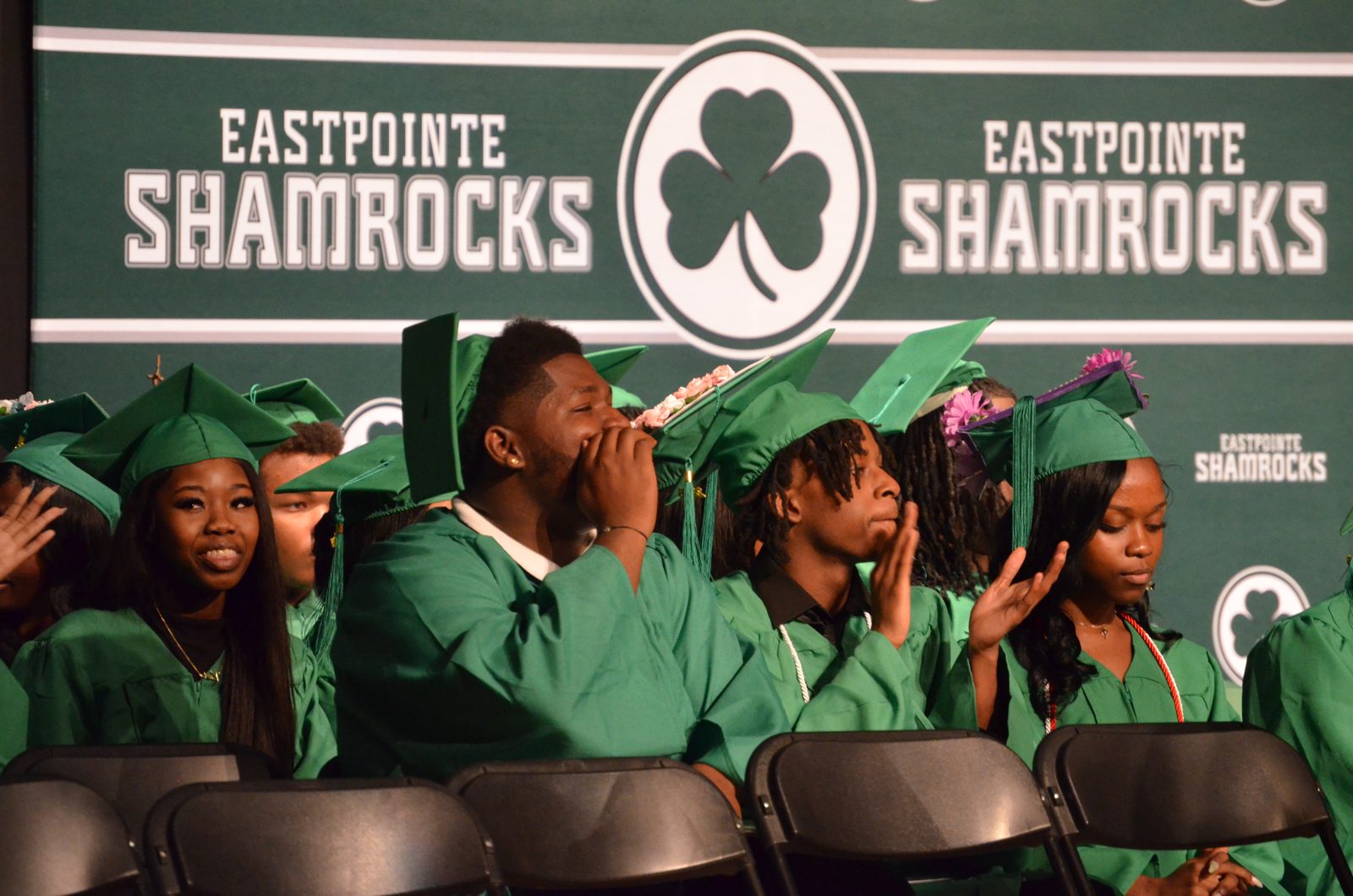
The Michigan Alliance for Student Opportunity regularly checks in with district leaders to share good news from schools across the state. This month, we spoke with Christina Gibson, superintendent of Eastpointe Community Schools, just days after Eastpointe voters approved a $99 million bond with more than 64% support. She discussed implementing strong curriculum in every classroom, bringing AP and honors courses back to the high school, and rebuilding community around its students.
This interview has been edited for length and clarity.
What is Eastpointe Community Schools doing to improve student achievement?
The best leadership moves are always scalable, and the best move to improve learning is in the classroom. Who is in the classroom, and do our teachers have the resources they need?
That work is grounded in our strategic plan, which we began crafting in 2020 and our Board of Education adopted with five goals. We’re now in our fourth year of living into that plan. A big part of it has been putting a guaranteed and viable curriculum in the hands of every teacher. We wanted those materials to be easy to use for a broad range of teachers. We have educators at the end of their careers, in the middle, and many who are new to the profession. We wanted resources that make it as easy as possible to differentiate instruction for children and that teachers will use every day.
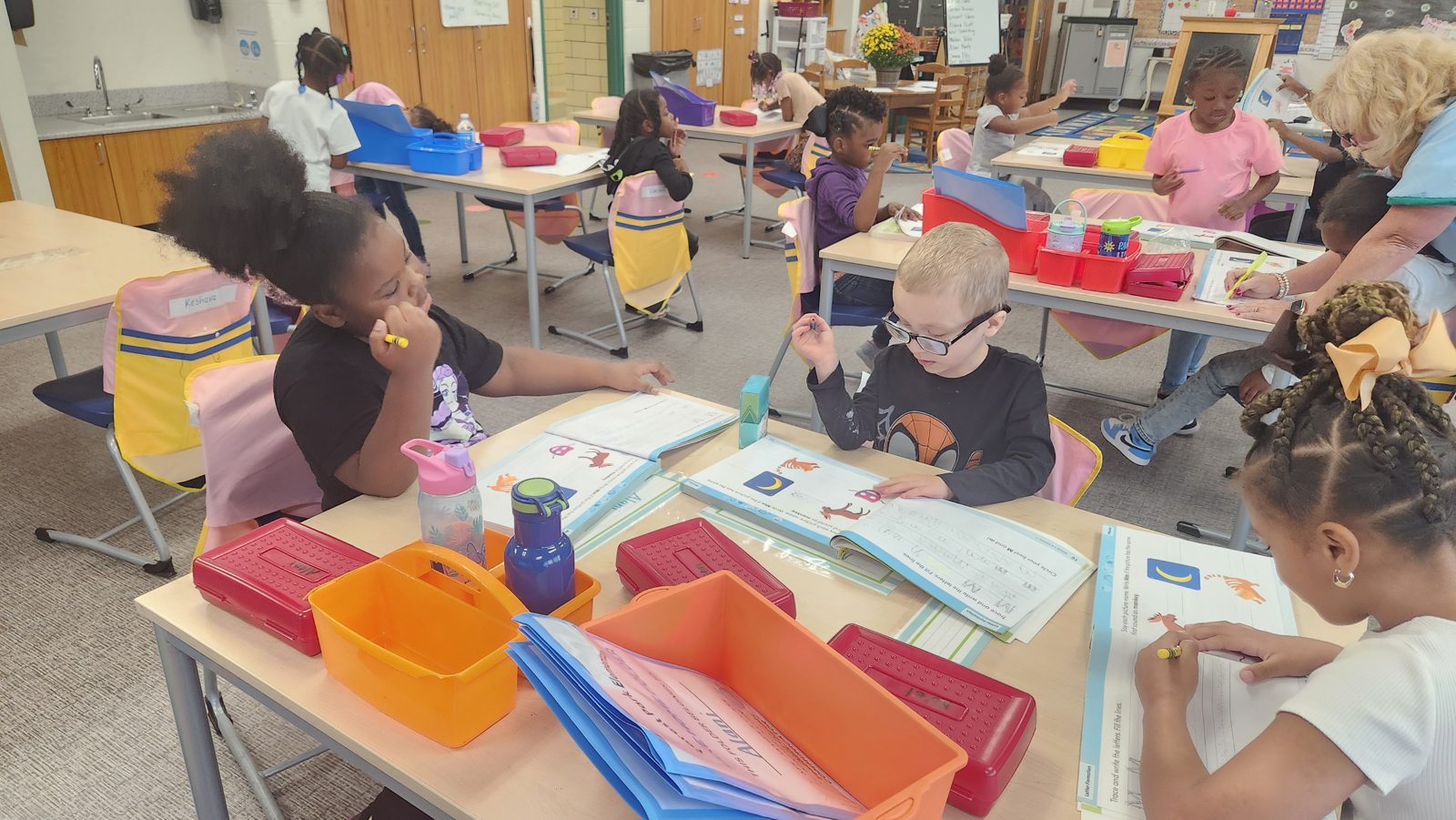
Now we’re focused on helping teachers make good choices about that curriculum for the kids they see in their classrooms. We’ve done this work in math, reading, special education, art and science, and we’re moving into other subjects next.
It sounds like that work is paying off. What changes are students seeing?
We’re bringing AP and honors classes back to our high school. Having a guaranteed and viable curriculum and offering honors and AP again are big moves in communities like ours. We have to set high expectations for students because when we do, they’re more likely to reach them.
What goals did the strategic plan set, and how are you measuring progress?
Our strategic plan has its own page on the district website, where anyone can see our five goal areas and our key performance indicators.
Our first goal is our core academic program: student growth and achievement. The second is learning environments and supports for children who struggle with behavior or attendance or with getting basic needs met, like food, clothes, socks and shoes. We support all of our children, regardless of what they come to school with or without. Many of our children come to school because it is safe and warm, and they get at least two meals a day.
The third goal is a positive work environment and high-quality staff. None of this work happens without amazing people. You need great people in classrooms, with the support they need to succeed, plus great health insurance and compensation, because teachers matter more than almost anything else in a successful education system.
The fourth goal is family and community partnerships. How do we help families set high expectations at home, and how do we help them navigate homelessness, poverty and everything else they deal with? The fifth goal is resources, finances and technology. Are we being good stewards of taxpayer dollars?
You mentioned families facing difficult circumstances. How does that shape your work?
Eastpointe serves a very mobile student population, and many of our families move around the metro Detroit area. Students who are with us for a full academic year make the most gains, often one to two years of growth. The challenge is that many of our children move through so many schools and systems that it’s hard for them to sustain and retain what they learn. Imagine moving every month and how disruptive that would be to your life.
That’s why we build relationships with local agencies to provide care and services. We partner with the YMCA for before- and after-school care. The Boys & Girls Club leases space from us to offer after-school care, athletics and activities. We work with Live Right, a local substance abuse organization, to provide counseling for older students. We partner with many local churches and community groups, and we’re in the third year of Communities In Schools at our high school.
How is the district doing financially?
Eastpointe Community Schools is in a really great spot. We have a 43 percent fund balance, which we’re very proud of. We worked hard to build that cushion so that in lean times we can maintain the salaries and benefits high-quality educators need. That includes great principals. The principalship may be the most important role in the district because a high-quality principal builds a culture of learning in a school and supports teachers in their practice.
Eastpointe voters just approved a $99 million bond. What will it do for the district?
Reducing our footprint has been part of our strategic plan. We had more buildings than we have students. Our high school is 100 years old and 300,000 square feet, and we don’t have enough students for a building that size. We tried to win grants and applied for consolidation funding, but there isn’t enough state funding to ensure every district has great facilities for children. Nobody is coming to save you as a public school district.
Our board approved a long-term facility study in 2024, and since then my team has been working on ways to reduce our footprint and improve our operations. Under the plan, our sixth-through-12th graders will share the high school campus. The building is large enough to keep younger and older students in separate areas, and running one facility instead of several reduces our overhead and gives us more flexibility.
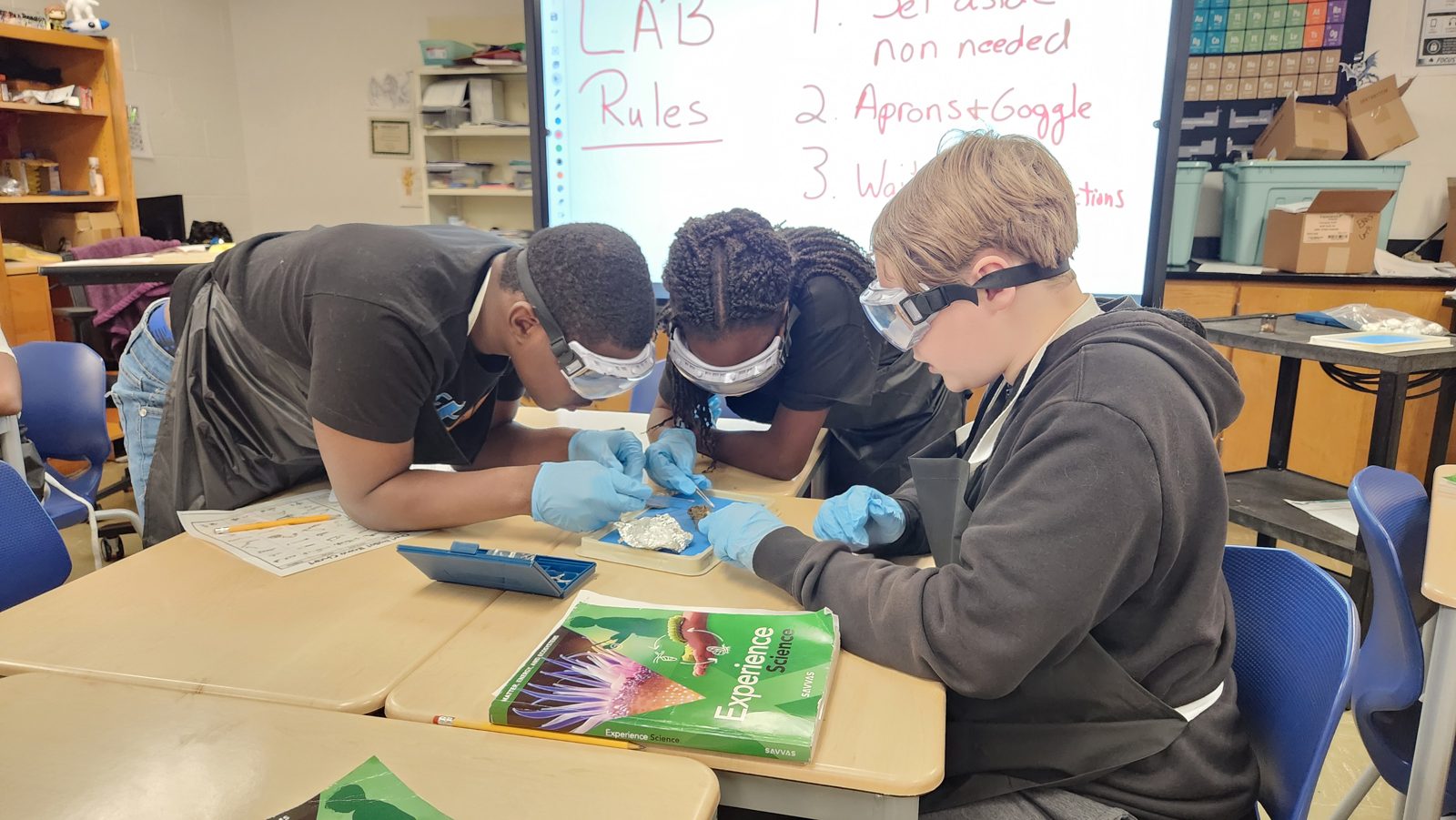
We’ve already started. This year, our eighth graders are at the high school, and they’re getting college and career exposure: an introduction to culinary arts, nine weeks of business and a look at law enforcement. Middle school is when kids start figuring out who they are and what they want to be, and you can’t be what you don’t see. We expected families to be upset about a sixth-through-12th-grade model. Instead, I heard high school students say their moms were excited because they could walk their younger siblings to school every day.
What lessons did you learn from the bond campaign?
I was pleasantly surprised by the 64 percent pass rate. The biggest lesson for me is that the negativity you see on Facebook isn’t an indicator of what will happen at the ballot box, or of the public support that still exists for public education.
I also learned that we have to be willing to look at what we’re doing and make changes. We can’t keep doing the same things and expect better results. Our bond work started with the question of what we want children to be able to do and learn when they leave us. We created a portrait of a graduate, decided what courses and learning spaces would get students there, and then designed backward to our facilities. Where can we build college and career programs? Where can middle schoolers start to see themselves as athletes? How do we create better continuity for families? Doing what’s right for students and families is our compass, and the facilities come after that. My advice to other districts is to do the work, do the tough stuff and have the tough conversations.
What else is new for Eastpointe students and families?
For years, our families asked for more for their children to do outside the school day. Eastpointe has a higher level of poverty and more families moving in and out, and many of the youth sports programs other communities take for granted – the ones that depend on adult volunteers to run them – had fallen away.
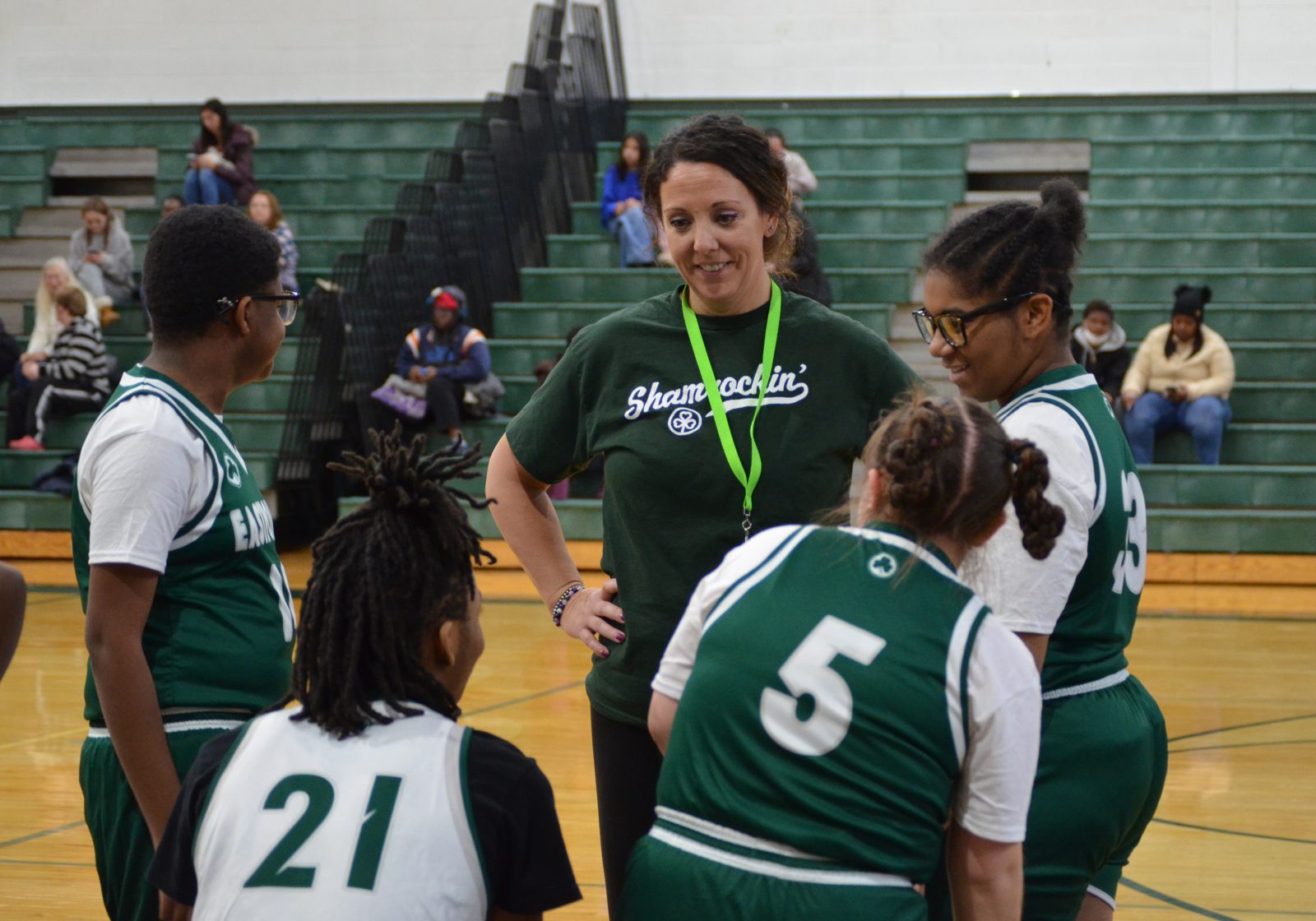
I’m proud to say we started Little Shamrocks. We created an athletics and activities director position and piloted intramural basketball at all four of our elementary schools, with weekend community games. In the spring, we offered soccer, and almost 100 students played. On Saturdays, you could sit outside at the soccer fields with our families and watch kids play. It doesn’t get much better than that. Now we’ve added cross-country and volleyball.
That’s what matters for communities, and that’s how a school district rebuilds community. Our motto is Empower, Care, Succeed, and we want to be the heart of caring and learning in Eastpointe.
We’re a couple of months into the school year. What has been the highlight so far?
I’m seeing principals and teachers talking about teaching and learning and talking about our children positively. I’m seeing more hands-on activities in our classrooms, and more children and adults engaged in learning and making memories together. That’s what it’s all about: seeing students who didn’t think they could do something achieve it. Our children’s successes are a success for all of us in this work.